
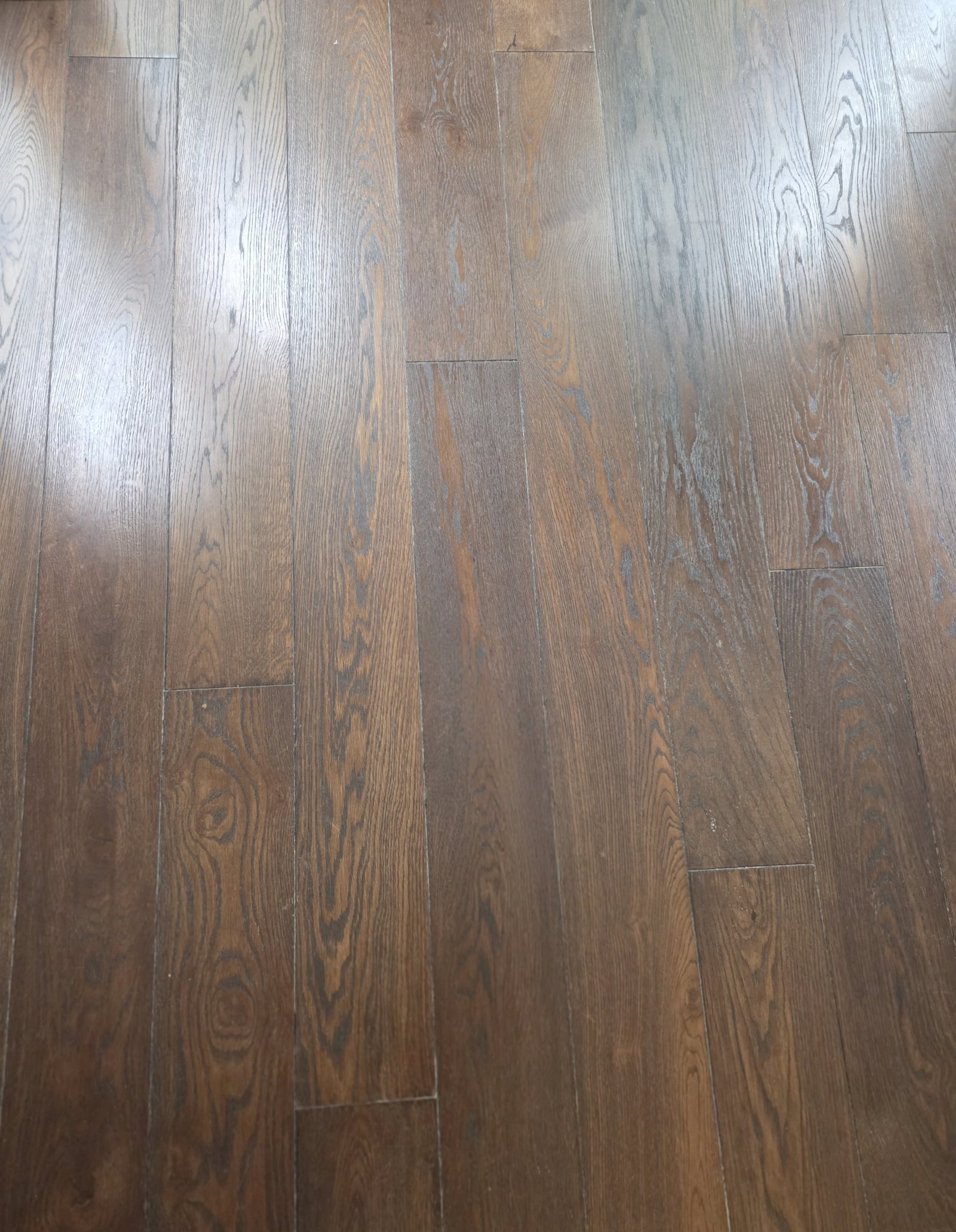
It's easy to assume that damage means replacement is the only option. In practice, a lot of damage that looks terminal is genuinely repairable — and knowing the difference can save you a disruptive, costly job.
Start with what's actually damaged
Surface damage — scratches, chips, stains, dulled finish — is usually the easiest category to restore, because the underlying structure of the material is intact. Structural damage, where the material itself has failed, is a different conversation.
The question isn't “can this be fixed at all,” it's “can this be fixed well.”
Consider what replacement actually involves
Replacing one damaged section often means disturbing everything around it — matching a discontinued tile, re-finishing an entire floor to blend a new section, or replacing a whole worktop for a single scratch. Restoration, where it's appropriate, avoids that disruption.
When replacement is the right call
- The material has failed structurally, not just cosmetically
- The damage covers too much of the surface to repair economically
- The material itself is no longer suitable for its use
A good restoration specialist should be willing to tell you when replacement is genuinely the better option — not push repair as the answer to everything.
Have a Similar Surface Problem?
Send us the details and we'll advise honestly on the best next step.
Request a Quote